

Understanding what is T-Mobile Money starts with recognizing that traditional banking is evolving. T-Mobile, primarily known as a wireless carrier, ventured into financial services to offer customers a mobile-first banking solution that eliminates many of the frustrations associated with conventional banks. This service combines checking and savings features with the convenience of managing finances directly from a smartphone, making it particularly relevant for individuals looking to streamline their money management while maximizing their earning potential.
The Evolution of T-Mobile Money
T-Mobile Money launched in 2018 as a strategic move to expand the company's ecosystem beyond telecommunications. The service was designed to address common pain points in traditional banking, such as monthly fees, low interest rates, and complicated account structures.
When examining what is T-Mobile Money in its original form, the service offered a compelling value proposition. Customers received a checking account with no monthly fees, no overdraft charges, and competitive interest rates on deposits. The account came with a Mastercard debit card and access to over 55,000 ATMs nationwide through the Allpoint network.
Key features at launch included:
- High-yield interest rates for T-Mobile wireless customers
- Mobile check deposit capabilities
- Person-to-person payment options
- FDIC insurance through BankMobile
- No minimum balance requirements
The service gained traction among users who appreciated the straightforward approach to banking and the integration with their existing T-Mobile relationship.
Account Features and Benefits
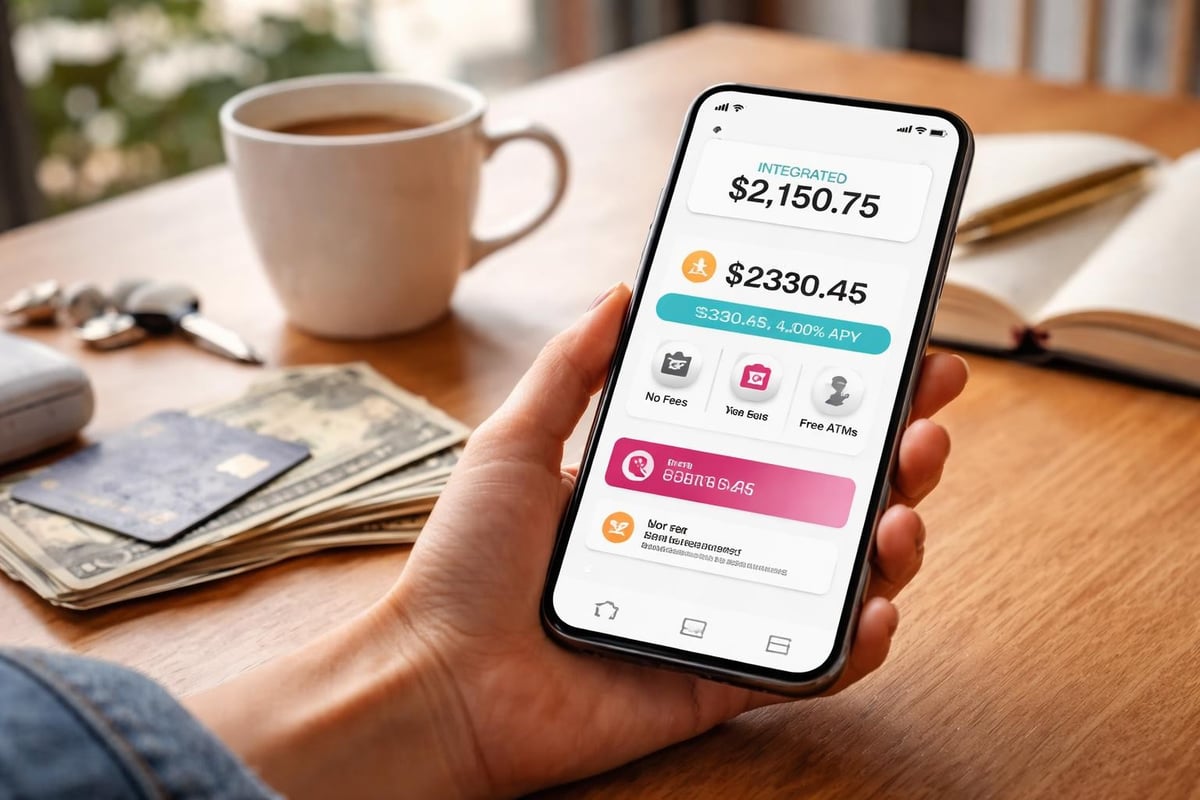
Understanding what is T-Mobile Money requires examining its core features. The account structure was intentionally simplified to remove complexity and hidden charges that plague traditional banking relationships.
Interest Rate Structure
T-Mobile Money offered tiered interest rates based on customer status. Postpaid T-Mobile wireless customers received the highest rates, which at times reached 4.00% APY on balances up to $3,000. This represented a significant advantage over traditional savings accounts that often offered less than 0.10% APY.
| Customer Type | Interest Rate Tier | Balance Threshold |
|---|---|---|
| Postpaid Wireless | Premium Rate | Up to $3,000 |
| Non-Customer | Standard Rate | Up to $3,000 |
| All Customers | Base Rate | Above $3,000 |
The tiered structure incentivized both wireless service adoption and maintained balances within certain ranges, creating a mutually beneficial relationship between the telecommunications and banking services.
Fee-Free Banking Model
The absence of fees distinguished T-Mobile Money from competitors. There were no monthly maintenance fees, no overdraft charges, no foreign transaction fees, and no minimum balance requirements. This model aligned with T-Mobile's broader "Un-carrier" strategy of eliminating customer pain points.
For individuals focused on building extra income streams, eliminating banking fees represents immediate savings that can be redirected toward investments, side hustles, or other revenue-generating activities. Every dollar saved on fees is a dollar that can work harder toward financial goals.
The Transition to T-Life
In 2025, T-Mobile announced the integration of T-Mobile Money into the T-Life app, marking a significant evolution in how the service operates. This migration represented a shift toward a unified digital experience for T-Mobile customers.
The T-Life app consolidates multiple T-Mobile services into a single platform, including account management, customer support, rewards programs, and now financial services. This integration reflects broader industry trends toward super-apps that provide multiple functionalities within one interface.
Migration Challenges
The transition from standalone T-Mobile Money to T-Life integration presented several challenges for users. Some customers experienced difficulties accessing their accounts during the migration period, while others found the new interface less intuitive than the original application.
Common migration issues included:
- Temporary access disruptions during account transfers
- Learning curve associated with the new interface
- Feature locations changing within the consolidated app
- Integration bugs requiring customer service intervention
- Documentation gaps explaining new processes
These challenges highlight an important lesson for anyone managing multiple income streams: platform changes and service migrations require adaptation and planning. Understanding how to navigate these transitions efficiently minimizes disruption to financial management routines.
Banking Partner Relationships
What is T-Mobile Money from a technical standpoint involves understanding the backend partnerships that make the service possible. T-Mobile itself is not a bank but partners with FDIC-insured financial institutions to provide banking services.
Initially, T-Mobile Money operated through a partnership with BankMobile, a division of Customers Bank. These partnerships allow telecommunications companies to offer banking services without obtaining their own banking charters, a common approach in the fintech industry.
The FDIC insurance coverage protects deposits up to $250,000 per account holder, providing the same level of security as traditional banks. This protection is crucial for users who maintain significant balances or use the account for business purposes related to their side hustles or entrepreneurial activities.
Competitive Positioning in Mobile Banking
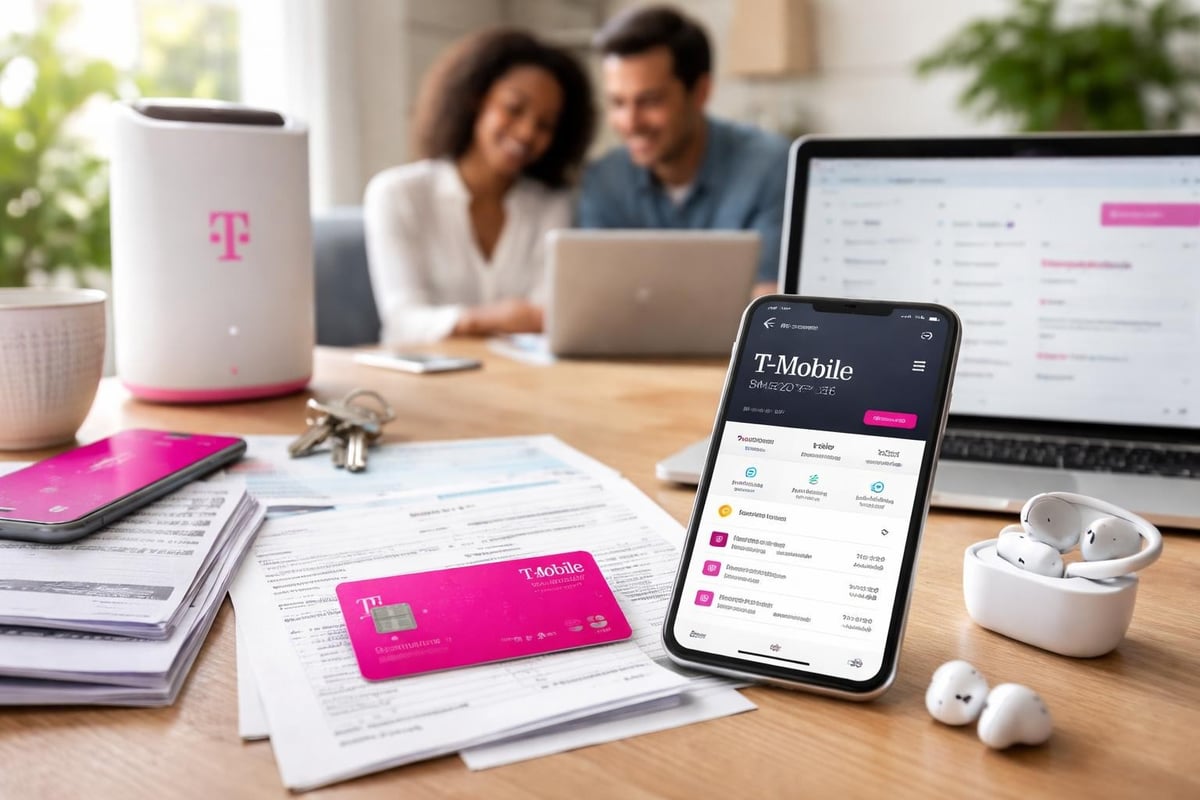
To fully appreciate what is T-Mobile Money, comparing it to alternative mobile banking solutions provides valuable context. The fintech landscape includes numerous players offering similar services with varying features and benefits.
| Feature | T-Mobile Money | Chime | Ally Bank | Current |
|---|---|---|---|---|
| Monthly Fees | $0 | $0 | $0 | $0 |
| High-Yield Savings | Yes (tiered) | Yes | Yes | Limited |
| ATM Network | 55,000+ | 60,000+ | 43,000+ | 40,000+ |
| Early Direct Deposit | No | Yes | No | Yes |
| Overdraft Protection | None needed | Up to $200 | No | Limited |
The competitive analysis reveals that while T-Mobile Money offered strong interest rates, particularly for wireless customers, other platforms provided features like early direct deposit access that appealed to different user segments.
Practical Applications for Income Earners
For individuals building extra income streams, understanding what is T-Mobile Money includes recognizing its practical applications. The account can serve multiple purposes within a comprehensive financial strategy.
Separating Income Streams
Many successful side hustlers maintain separate accounts for different income sources. T-Mobile Money can function as a dedicated account for freelance income, online business revenue, or passive income streams. This separation simplifies tax preparation and provides clearer insight into which ventures generate the most return.
Emergency Fund Building
The higher interest rates available to T-Mobile customers made the account attractive for emergency fund storage. Building three to six months of expenses in a readily accessible, interest-bearing account represents fundamental financial planning that supports long-term entrepreneurial goals.
Steps to maximize emergency fund growth:
- Set up automatic transfers from primary checking to T-Mobile Money
- Deposit unexpected windfalls or bonus income directly to savings
- Allow interest to compound without withdrawals
- Maintain balance within high-yield tiers for optimal returns
- Review and adjust contribution amounts quarterly
Fee Avoidance Strategy
Eliminating banking fees contributes directly to net income. For someone earning an extra $500 monthly from a side hustle, avoiding $15 in monthly fees represents a 3% increase in take-home earnings. Over a year, that amounts to $180 that can be reinvested into business growth or skill development.
Account Management and Accessibility
What is T-Mobile Money in terms of day-to-day usability depends on the account management tools and accessibility features. The original T-Mobile Money app, and subsequently the T-Life integration, provided comprehensive mobile-first banking experiences.
Mobile App Functionality
The mobile application served as the primary interface for account management. Users could check balances, review transaction history, deposit checks using their smartphone camera, transfer funds, and manage debit card settings.
Mobile check deposit proved particularly valuable for freelancers and gig workers who receive payment by check. The ability to deposit checks instantly without visiting a physical branch saves time and accelerates access to funds.
Customer Support Channels
T-Mobile extended T-Mobile Money benefits to Sprint customers following the merger, demonstrating commitment to service accessibility. Customer support included phone assistance, in-app messaging, and support through T-Mobile retail locations.

User Experience and Reviews
Understanding what is T-Mobile Money from a customer perspective requires examining actual user experiences. Customer reviews on Trustpilot provide insights into satisfaction levels, common complaints, and standout benefits.
Positive reviews frequently highlighted the high interest rates, absence of fees, and seamless integration with T-Mobile wireless services. Users appreciated the simplicity of the account structure and the responsive customer service.
Negative feedback often centered on limited physical banking options, occasional app glitches, and the later migration challenges to T-Life. Some users expressed frustration with the decision to consolidate services rather than maintaining a standalone banking app.
Real-World User Scenarios
Users successfully employed T-Mobile Money for various purposes:
- Freelance writers used it as a dedicated business account for client payments
- E-commerce sellers leveraged it for separating online sales revenue
- Gig economy workers appreciated fee-free deposits from multiple platforms
- Students utilized it as a first banking account with parental oversight options
- Budget-conscious families maximized interest earnings on emergency savings
Integration with Financial Goals
For readers of make extra money Academy, understanding what is T-Mobile Money connects to broader financial planning strategies. The account type matters less than how it supports overall income growth and wealth building objectives.
Building Multiple Income Streams
Financial independence typically requires diversification beyond a single income source. Whether through freelancing, online businesses, investing, or passive income generation, having appropriate financial infrastructure supports these activities.
A dedicated account for side income provides several advantages:
- Clear separation between primary employment and entrepreneurial income
- Simplified tracking for tax purposes and profitability analysis
- Psychological motivation through visible growth of separate income streams
- Protection of primary funds from business-related expenses or risks
- Easier compliance with business banking requirements as ventures scale
Reinvestment Strategy
The interest earned through higher-yield accounts like T-Mobile Money, while modest, represents passive income that can be reinvested into skill development, marketing, or business tools. Compounding these small gains over time contributes to accelerated growth.
Current Status and Future Outlook
When T-Mobile Money first launched, it represented an innovative approach to mobile banking from an unexpected source. The service successfully attracted users who valued simplicity and competitive rates.
The migration to T-Life indicates T-Mobile's long-term vision for integrated services. While the transition created short-term challenges, the consolidated approach may ultimately provide enhanced value through unified rewards, seamless service management, and cross-platform benefits.
For potential users evaluating what is T-Mobile Money today, visiting the official T-Mobile Cards Money page provides current details about account features, rates, and requirements. Service terms, interest rates, and available features may differ from the original offering as the product continues evolving.
Strategic Considerations for Side Hustlers
Choosing the right banking solution for extra income activities requires evaluating several factors beyond interest rates and fees. T-Mobile Money's value proposition varies depending on individual circumstances and financial goals.
Evaluation criteria include:
- Current T-Mobile wireless customer status affecting interest rate tiers
- Need for physical branch access versus purely digital banking
- Volume and frequency of deposits and withdrawals
- Preference for standalone versus integrated app experiences
- Importance of specific features like early direct deposit or overdraft protection
For individuals building serious side businesses, the account might serve as an excellent starting point before transitioning to dedicated business banking as revenue scales. The fee-free structure allows experimentation and growth without the burden of minimum balance requirements or monthly charges.
Tax Planning Implications
Maintaining separate accounts for different income sources simplifies annual tax preparation. Clear transaction records through digital banking platforms like T-Mobile Money provide documentation for deductible expenses, income reporting, and audit support if needed.
Business-related banking activity generates statements and records that accounting software can easily import, streamlining bookkeeping processes. This organizational foundation becomes increasingly important as side income grows toward full-time business revenue.
Account Security and Protection
What is T-Mobile Money from a security standpoint involves multiple layers of protection. The service employed industry-standard security measures including encryption, multi-factor authentication, and fraud monitoring.
Users received instant transaction notifications, allowing quick identification of unauthorized activity. The ability to freeze and unfreeze debit cards through the mobile app provided additional control over account security.
FDIC insurance protected deposits against bank failure, offering the same government-backed guarantee as traditional banks. This protection extended to the full $250,000 limit per depositor, per institution, providing substantial security for most individual users.
T-Mobile Money demonstrated how telecommunications companies can successfully enter financial services by addressing customer pain points with mobile-first solutions. Whether the service continues evolving within T-Life or transforms further, the core concept of simplified, fee-free, mobile banking remains valuable for anyone managing multiple income streams. If you're ready to build those income streams and maximize every dollar you earn, Make Extra Money Academy provides the strategies, tools, and guidance to turn financial goals into reality, offering proven methods to create sustainable side income or launch full-time entrepreneurial success.