

Understanding what banks use Zelle is essential for anyone looking to streamline their financial transactions, especially if you're managing income from multiple sources like side hustles, freelance work, or online businesses. Zelle has become one of the most popular peer-to-peer payment platforms in the United States, enabling instant money transfers directly between bank accounts. Whether you're collecting payments from clients, splitting expenses, or managing your cash flow, knowing which financial institutions support this service can help you optimize your payment processes and keep more money in your pocket.
Major National Banks That Support Zelle
The largest financial institutions in America have integrated Zelle directly into their mobile banking apps and online platforms. This integration means customers can access Zelle without downloading a separate application, making transactions seamless and efficient.
Bank of America stands as one of the earliest adopters and most prominent supporters of Zelle. With over 60 million consumer and small business clients, Bank of America processes millions of Zelle transactions monthly. The platform is fully integrated into their mobile app, allowing users to send money with just a few taps.
Wells Fargo offers comprehensive Zelle support across all personal checking and savings accounts. Their implementation includes robust security features and instant notifications, making it ideal for entrepreneurs tracking multiple income streams.
Chase Bank provides Zelle access to their massive customer base, supporting both personal and business account holders. The service works seamlessly with Chase's mobile banking infrastructure, enabling quick transfers for freelancers and side hustlers who need to move money efficiently.

Additional National Banking Institutions
Several other major banks have embraced Zelle as their preferred payment platform:
- U.S. Bank integrates Zelle across checking and savings accounts
- PNC Bank offers Zelle to personal and business customers
- Capital One provides full Zelle functionality in their mobile app
- TD Bank supports Zelle for instant transfers
- Truist Bank (formerly BB&T and SunTrust) includes Zelle access
- Citizens Bank enables Zelle transactions for account holders
- Fifth Third Bank offers integrated Zelle services
According to Experian’s analysis of mobile payment platforms, these major institutions collectively serve hundreds of millions of customers, making Zelle one of the most accessible payment networks in the country.
Regional and Community Banks Using Zelle
Understanding what banks use Zelle extends beyond national institutions. Hundreds of regional and community banks have partnered with the platform to offer their customers modern payment capabilities.
Regional banks recognized the importance of competing with larger institutions by offering the same convenient services. Many credit unions and smaller banks joined the Zelle Network to retain customers who might otherwise switch to bigger banks for digital payment features.
| Bank Type | Number of Institutions | Customer Reach |
|---|---|---|
| National Banks | 15-20 major institutions | 100+ million customers |
| Regional Banks | 200+ institutions | 50+ million customers |
| Credit Unions | 300+ institutions | 30+ million members |
Key Regional Players:
Ally Bank, despite being an online-only institution, fully supports Zelle integration. This makes it particularly attractive for digital entrepreneurs who prefer online banking solutions while maintaining instant payment capabilities.
BBVA USA (now part of PNC) brought Zelle to their customer base, expanding the network's reach in several key markets. Their integration focused on mobile-first users who manage finances primarily through smartphones.
KeyBank serves millions across multiple states and provides comprehensive Zelle access through their mobile and online banking platforms. Their implementation includes enhanced security features important for protecting business income.
Crediful maintains a comprehensive database showing which banks use Zelle, regularly updated to reflect new partnerships and integrations across the financial industry.
Credit Unions Participating in the Zelle Network
Credit unions represent a significant portion of the Zelle ecosystem, bringing member-focused service to digital payments. These institutions prioritize member satisfaction and competitive features, making Zelle integration a natural fit.
Major Credit Union Participants
Navy Federal Credit Union, the largest credit union in America with over 12 million members, offers full Zelle integration. Their implementation serves military families, veterans, and their relatives with instant payment capabilities crucial for managing finances across different locations.
Pentagon Federal Credit Union (PenFed) provides Zelle access to their nationwide membership. This service proves particularly valuable for members who operate side businesses or receive payments from various sources.
Suncoast Credit Union integrated Zelle to serve their Florida-based membership, recognizing the demand for instant payment solutions in their community.
Additional credit unions supporting Zelle include:
- Alliant Credit Union
- SchoolsFirst Federal Credit Union
- Golden 1 Credit Union
- Bethpage Federal Credit Union
- America First Credit Union
- Security Service Federal Credit Union
These institutions demonstrate that knowing what banks use Zelle includes understanding the extensive credit union participation, which often provides more personalized service than traditional banks.
How to Check If Your Bank Offers Zelle
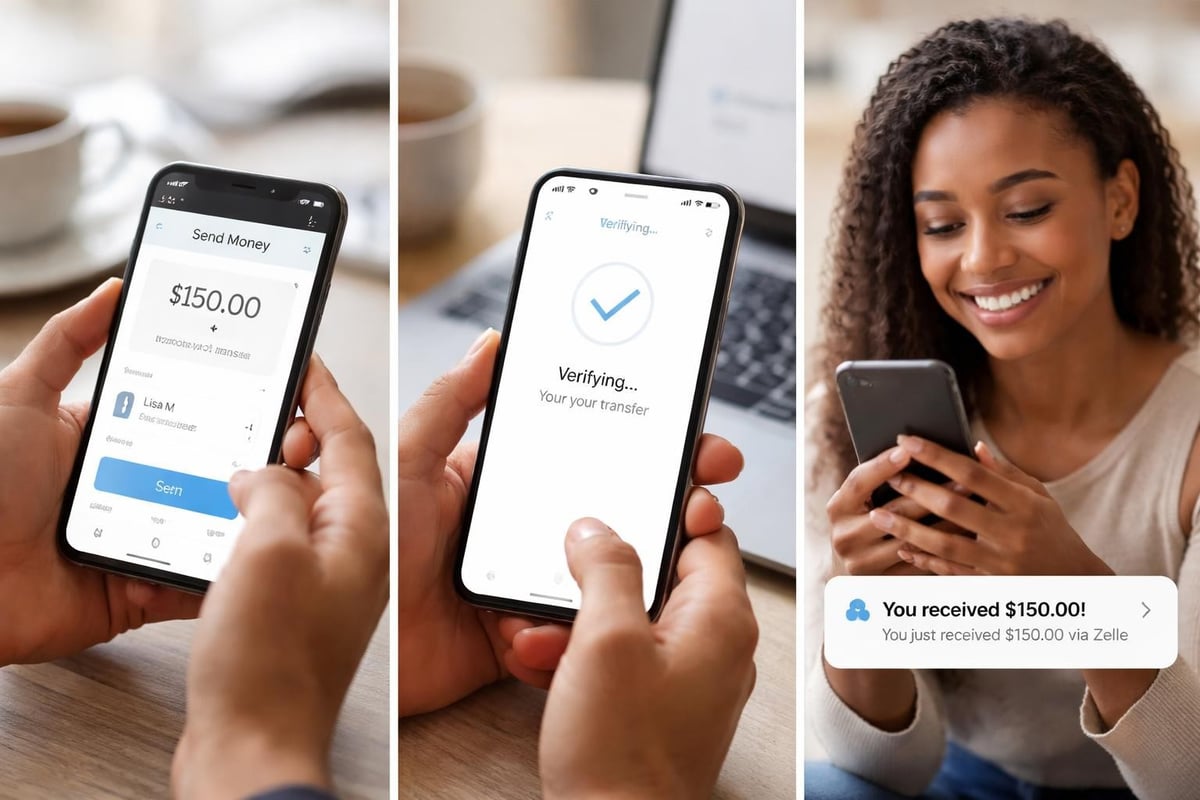
Before assuming your financial institution supports Zelle, you should verify availability through several reliable methods. This verification process takes only minutes but ensures you can access instant payment features.
Direct Verification Methods
Check Your Mobile Banking App
Open your bank's mobile application and navigate to the payments or transfers section. Most banks that support Zelle prominently display the service alongside other payment options. Look for the distinctive Zelle logo or menu item labeled "Send Money with Zelle."
Visit Your Online Banking Portal
Log into your bank's website and explore the bill pay or money transfer sections. Banks typically integrate Zelle into their existing payment infrastructure, making it easily accessible from your account dashboard.
Contact Customer Service
Call your bank's customer service line or visit a local branch to ask specifically about Zelle availability. Representatives can confirm whether your account type qualifies for Zelle access and guide you through the enrollment process.
| Verification Method | Time Required | Reliability |
|---|---|---|
| Mobile App Check | 1-2 minutes | High |
| Online Banking Review | 2-3 minutes | High |
| Customer Service Call | 5-10 minutes | Very High |
| Branch Visit | 15-30 minutes | Very High |
Using the Standalone Zelle App
If your bank doesn't appear among those supporting Zelle directly, you can still access the service through the standalone Zelle app. This option allows you to link your debit card and participate in the network even without integrated banking support.
The standalone app functions similarly to the integrated version but requires downloading and setting up a separate application. Users can send and receive money using their email address or mobile phone number as their Zelle identifier.
Security Considerations When Using Zelle
While understanding what banks use Zelle is important, knowing how to protect yourself while using the platform is equally critical. Security concerns have emerged as Zelle's popularity has grown, particularly regarding fraud protection and unauthorized transactions.
Recent reporting from Kiplinger highlighted legal actions concerning Zelle's security measures, emphasizing the importance of user vigilance when sending payments.
Essential Security Practices
Verify Recipients Before Sending
Always confirm you're sending money to the intended recipient by double-checking their email address or phone number. Zelle transfers complete instantly, making them nearly impossible to reverse if sent to the wrong person.
Never Send Money to Strangers
Treat Zelle like cash. Only use it with people and businesses you know and trust. Scammers often request Zelle payments because the instant nature makes fund recovery extremely difficult.
Keep Your Login Credentials Private
Protect your banking app passwords, PINs, and biometric access. Your bank will never ask you to provide these credentials via email, text, or phone call.
Monitor Your Accounts Regularly
Review your transaction history frequently to catch any unauthorized activity quickly. Set up account alerts to receive notifications for all Zelle transactions.
Understanding Platform Limitations
Zelle operates differently from credit card transactions or platforms like PayPal that offer buyer protection. When you send money through Zelle, it's treated as a transfer between trusted parties, similar to handing someone cash.
This characteristic makes Zelle perfect for legitimate transactions between known parties but risky for purchases from unfamiliar sellers or businesses. Always use alternative payment methods with buyer protection when dealing with new vendors or making significant purchases.
Benefits of Using Banks That Support Zelle
Choosing financial institutions among what banks use Zelle provides numerous advantages for individuals building income streams and managing multiple revenue sources.
Speed and Convenience
Instant Transfers
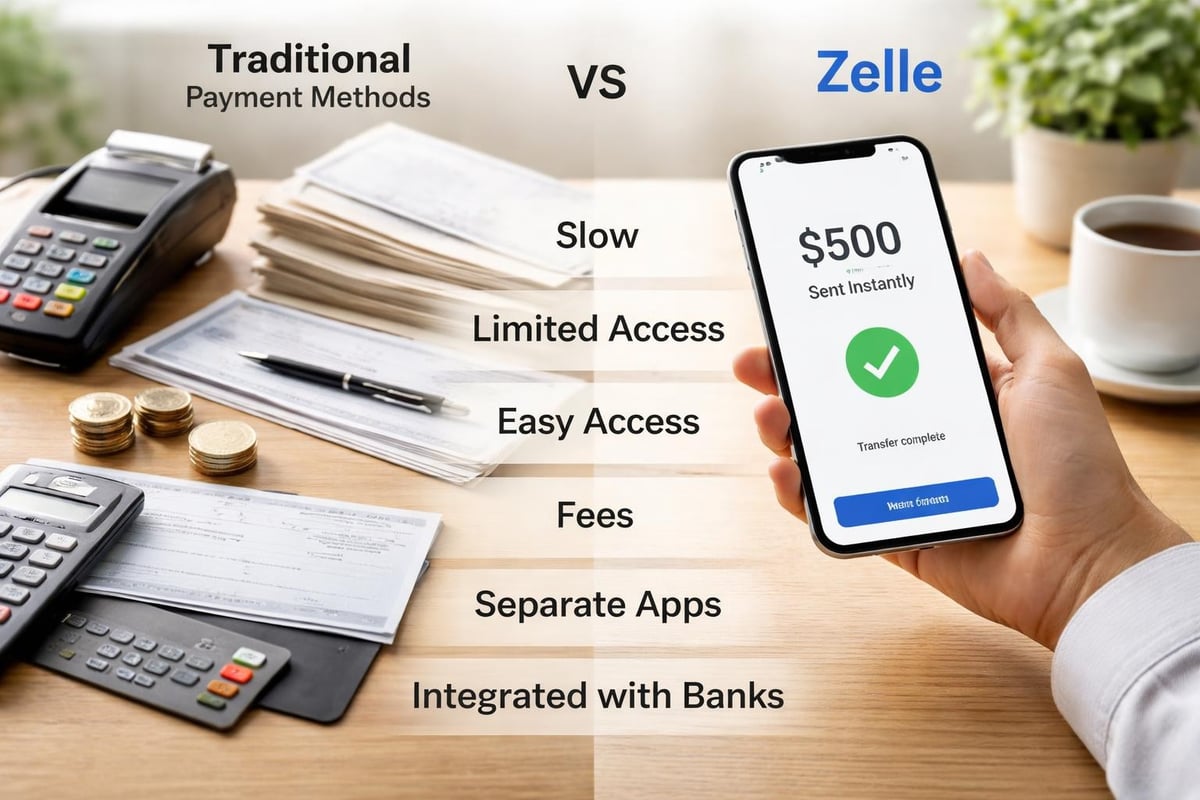
Money sent through Zelle typically arrives within minutes, often seconds. This speed proves invaluable when you need immediate access to funds from clients, customers, or collaborative partners.
No Additional Apps Required
When your bank integrates Zelle directly, you manage all finances through one application. This consolidation simplifies financial management, especially when tracking income from various sources.
24/7 Availability
Unlike traditional bank transfers that may process only during business hours, Zelle works around the clock. Send and receive payments on weekends, holidays, and late evenings without delay.
Cost Advantages
| Feature | Zelle | Wire Transfer | Check |
|---|---|---|---|
| Typical Fee | $0 | $15-$35 | $0-$2 |
| Transfer Speed | Minutes | 1-2 days | 3-7 days |
| Weekend Processing | Yes | No | No |
| Mobile Access | Yes | Limited | No |
Zero Transaction Fees
Most banks offering Zelle don't charge fees for sending or receiving money. This cost structure makes it significantly more economical than wire transfers or payment platforms that charge percentage-based fees.
No Intermediate Accounts Needed
Money transfers directly from one bank account to another without sitting in a third-party wallet. This direct transfer means you can immediately use received funds without additional transfer steps or waiting periods.
Alternative Payment Options If Your Bank Doesn't Use Zelle
Not every financial institution has joined the Zelle network, but several alternatives provide similar functionality for instant payments and money transfers.
Comparable Payment Platforms
Venmo offers social payment features alongside person-to-person transfers. Owned by PayPal, Venmo appeals to younger users who appreciate the social feed showing (anonymized) transaction activity among friends.
Cash App provides instant transfers plus additional features like Bitcoin trading and Cash App cards. The platform charges fees for instant deposits but offers free standard transfers.
PayPal remains a versatile option with robust buyer and seller protections. While not as instant as Zelle for bank-to-bank transfers, PayPal's extensive merchant network makes it valuable for business transactions.
Evaluating Your Options
Consider these factors when choosing between what banks use Zelle and alternative platforms:
- Transfer speed requirements for your business needs
- Fee structures and their impact on your profit margins
- Recipient preferences and which platforms they accept
- Security features and fraud protection policies
- Integration with your existing financial management tools
For entrepreneurs and side hustlers, maintaining accounts on multiple platforms often provides the most flexibility. You can accept payments through various channels while converting everything to your primary bank account for consolidated management.
Impact of Service Outages and Technical Issues
While Zelle generally operates reliably, understanding potential disruptions helps you plan backup payment methods for critical transactions. Technical issues occasionally affect the platform, impacting users across multiple banking institutions simultaneously.
Reports from TechRadar and Tom’s Guide documented significant outages that prevented users from completing transactions. These incidents highlight the importance of maintaining alternative payment methods, especially when managing time-sensitive business transactions.
Preparing for Technical Disruptions
Maintain Multiple Payment Options
Don't rely exclusively on Zelle for receiving business income. Keep accounts with alternative platforms and inform clients about backup payment methods.
Communicate with Clients
When outages occur, proactively notify customers about alternative payment arrangements. This transparency maintains trust and ensures continued cash flow.
Monitor Service Status
Follow your bank's social media channels and check official status pages during suspected outages. Understanding whether issues affect only your account or the entire network helps you respond appropriately.
Regulatory Environment and Consumer Protection
The regulatory landscape surrounding what banks use Zelle continues evolving as lawmakers and consumer protection agencies address concerns about fraud, scams, and user education.
The Associated Press reported on regulatory developments affecting Zelle and participating banks, including actions by the Consumer Financial Protection Bureau regarding fraud allegations.
Your Rights and Responsibilities
Bank Obligations
Financial institutions offering Zelle must maintain certain security standards and provide customer support for disputed transactions. However, protection levels differ significantly from credit card or debit card transactions.
User Responsibilities
You bear primary responsibility for verifying recipients and ensuring transaction accuracy before sending money. Banks typically cannot reverse completed Zelle payments, even in cases of user error.
Fraud Reporting
Report suspected fraud immediately to your bank's customer service team. While recovery chances remain low for authorized transactions, quick reporting may help prevent additional unauthorized activity.
Understanding these regulatory aspects proves particularly important for entrepreneurs who regularly receive substantial payments through Zelle. Knowing your protections and limitations helps you make informed decisions about when to use the platform versus other payment methods.
Choosing the Right Bank for Zelle Access
Selecting among what banks use Zelle requires evaluating factors beyond just payment platform access. Consider how each institution supports your broader financial goals, particularly if you're building side income or growing a business.
Evaluation Criteria
Account Features and Benefits
Compare checking account features like minimum balance requirements, monthly fees, interest rates, and overdraft policies. The best Zelle-enabled bank for you offers competitive terms aligned with your financial situation.
Mobile App Functionality
Test each bank's mobile application for ease of use, speed, and reliability. Since you'll likely manage most Zelle transactions through mobile devices, app quality significantly impacts your experience.
Customer Service Quality
Research customer service ratings and availability. When issues arise with payments or account access, responsive support becomes invaluable.
Additional Business Services
If you're building serious income streams, consider banks offering business checking accounts, merchant services, and financial management tools alongside Zelle access.
| Feature Priority | Weight | Considerations |
|---|---|---|
| Zelle Integration | High | Seamless app integration, transaction limits |
| Account Fees | High | Monthly charges, minimum balances |
| Customer Service | Medium | Availability, response quality |
| Mobile Experience | High | App ratings, functionality |
| Branch Access | Low-Medium | Physical location needs |
Opening Accounts Strategically
Many successful side hustlers maintain accounts at multiple institutions to maximize benefits. Consider opening a primary account at a bank offering excellent Zelle integration while maintaining secondary accounts for specific purposes like high-yield savings or business expenses.
This multi-account strategy provides payment flexibility, better interest earnings, and risk diversification while ensuring you can always access Zelle when needed.
Knowing what banks use Zelle empowers you to choose financial institutions that support efficient money management and instant payments. Whether you're collecting income from freelance work, managing a side hustle, or building multiple revenue streams, having access to Zelle through your bank simplifies transactions and accelerates cash flow. At Make Extra Money Academy, we provide comprehensive resources to help you optimize your financial systems, choose the right banking tools, and build sustainable income streams that support your journey toward financial freedom.