

Student life in 2026 comes with unique financial challenges, from tuition fees and textbooks to everyday living expenses. While scholarships and financial aid help, many students need additional income to achieve financial stability. The good news is that countless small jobs for students are available that fit around class schedules, offering both flexibility and meaningful earnings. These opportunities range from traditional campus positions to modern digital gigs that leverage technology and creativity.
Understanding the Landscape of Student Employment
The job market for students has transformed dramatically over the past few years. Traditional employment models now compete with gig economy platforms, remote work opportunities, and specialized micro-tasks that didn't exist a decade ago. This evolution has created an environment where students can choose work that aligns with their skills, interests, and schedule constraints.
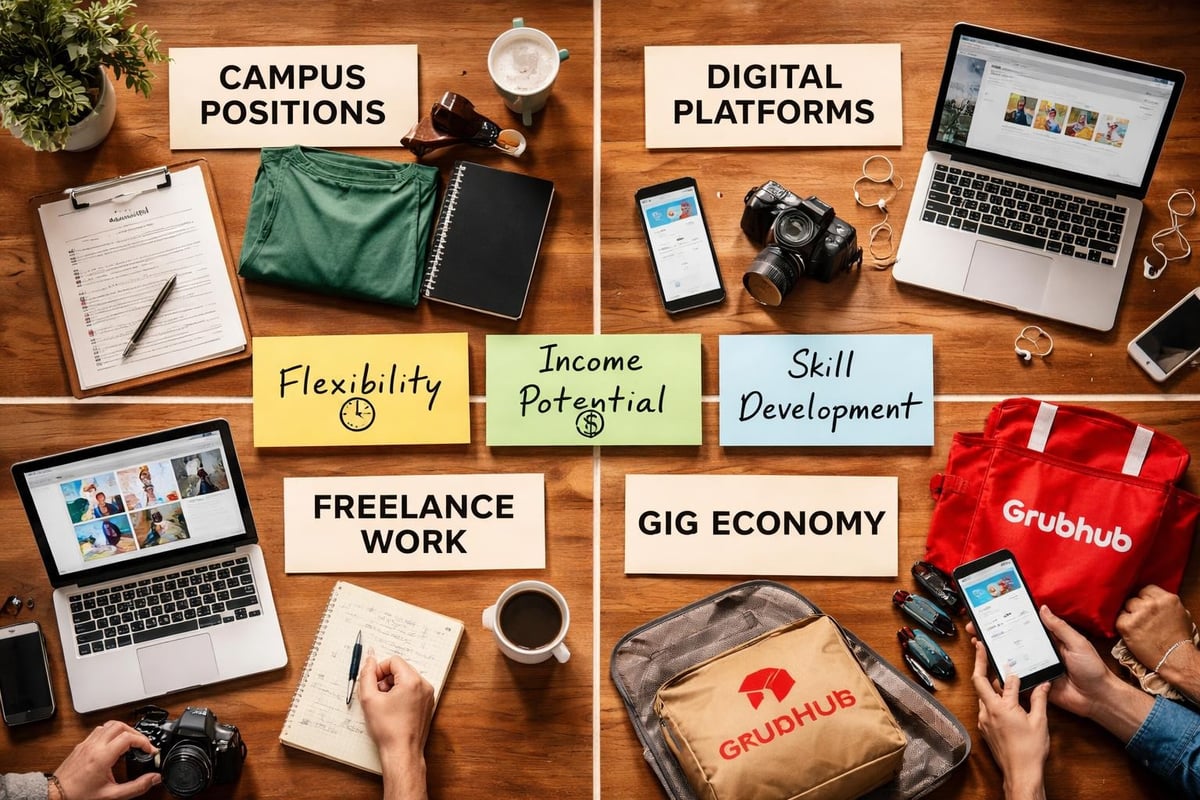
Modern small jobs for students fall into several distinct categories. Campus-based positions offer convenience and understanding supervisors who know academic demands come first. Digital platforms provide location independence and flexible hours. Freelance work builds professional portfolios while generating income. Each category presents unique advantages depending on individual circumstances and goals.
Campus Employment Opportunities
Working on campus remains one of the most practical options for students seeking employment. These positions typically offer maximum flexibility because employers understand academic priorities. The Federal Work-Study Program provides subsidized employment for students with financial need, making these jobs particularly accessible.
Popular campus positions include:
- Library assistants who help with cataloging, shelving, and student inquiries
- Administrative support in departmental offices
- Research assistants working directly with professors
- Tutoring center staff members
- Campus tour guides for prospective students
- Residential advisors in dormitories
- Computer lab monitors
- Event setup and coordination teams
Many universities maintain dedicated job boards where students can find part-time student jobs specifically designed around academic calendars. These positions rarely require commuting time, allowing students to move quickly between classes and work shifts.
Digital Platform Opportunities
The digital economy has revolutionized how students earn money. Online platforms now connect skilled students with clients worldwide, creating unprecedented opportunities for flexible income generation. These small jobs for students often pay competitive rates while allowing work from anywhere with internet access.
Freelance Writing and Content Creation
Content creation remains one of the most accessible digital opportunities. Students with strong writing skills can find consistent work producing articles, blog posts, social media content, and marketing materials. Platforms like Upwork, Fiverr, and Freelancer connect writers with clients across industries.
| Platform Type | Average Hourly Rate | Skill Level Required | Time Investment |
|---|---|---|---|
| Content Mills | $10-$20 | Beginner | High volume needed |
| Freelance Platforms | $25-$75 | Intermediate | Moderate, project-based |
| Direct Clients | $50-$150+ | Advanced | Lower volume, higher value |
Building a portfolio through student publications or personal blogs strengthens applications for better-paying opportunities. The University Press Club model demonstrates how students can gain professional journalism experience while earning income.
Online Tutoring and Teaching
Subject expertise translates directly into income through online tutoring platforms. Students excelling in mathematics, sciences, languages, or standardized test preparation can teach others while reinforcing their own knowledge. Platforms like Chegg Tutors, Tutor.com, and Wyzant facilitate connections between tutors and students.
International students offer particular value in language instruction. Native speakers can teach conversational skills, pronunciation, and cultural context to learners worldwide through platforms like VIPKid, Cambly, and iTalki. These sessions often occur during hours that work well with American academic schedules.
Gig Economy and Task-Based Work
The gig economy provides another avenue for students seeking small jobs that fit irregular schedules. These opportunities typically involve completing specific tasks rather than maintaining regular shifts, offering maximum flexibility for students with unpredictable academic demands.
High-demand gig opportunities include:
- Food delivery through DoorDash, Uber Eats, or Grubhub
- Grocery shopping and delivery via Instacart
- Task completion on TaskRabbit
- Pet sitting and dog walking through Rover or Wag
- Rideshare driving with Uber or Lyft (where age requirements permit)

These positions allow students to work when their schedule permits, declining jobs during busy academic periods and accepting more during breaks or lighter course loads. Part-time jobs in the gig economy typically require minimal commitment beyond individual task completion.
Micro-Tasks and Specialized Projects
Micro-internships represent an innovative approach to student employment, offering short-term professional projects that build experience while generating income. These assignments typically last anywhere from a few hours to several weeks, providing concentrated work experiences without semester-long commitments.
Students can access micro-internships through platforms like Parker Dewey, which specializes in connecting students with professional projects. These opportunities offer several advantages beyond immediate income, including professional network expansion, resume enhancement, and industry exposure.
Creative and Specialized Services
Students with specialized skills or creative talents can monetize these abilities through various platforms and direct client relationships. These small jobs for students often command premium rates because they require specific expertise or artistic ability.
Design and Creative Services
Graphic design, Video editing, photography, and illustration services remain in high demand. Students studying design or media can build professional portfolios while earning substantial income. Platforms like 99designs, Behance, and Dribbble showcase work and connect designers with clients.
| Creative Service | Tools Needed | Learning Curve | Income Potential |
|---|---|---|---|
| Graphic Design | Adobe Suite, Canva | Moderate | $30-$100/hour |
| Video Editing | Premiere, Final Cut | Moderate-High | $40-$150/hour |
| Photography | Camera, editing software | Moderate | $50-$200/session |
| Social Media Management | Scheduling tools, analytics | Low-Moderate | $20-$75/hour |
Social media management represents another growing opportunity. Small businesses and entrepreneurs frequently need help maintaining consistent online presence but lack time or expertise. Students familiar with platform algorithms, content creation, and engagement strategies can offer valuable services.
Technology and Development Work
Technical skills translate into some of the highest-paying small jobs for students. Web development, app creation, software testing, and technical support all offer substantial hourly rates, often exceeding traditional student employment by significant margins.
Web Development and Programming
Students studying computer science or self-taught programmers can find abundant freelance opportunities. Building websites, creating custom plugins, developing mobile applications, and automating business processes all represent lucrative possibilities. Platforms like GitHub, Toptal, and Stack Overflow Jobs connect developers with clients.
Even students without formal programming education can learn valuable skills through free resources. Basic web development using HTML, CSS, and JavaScript opens doors to entry-level freelance work. As skills advance, developers can tackle more complex projects commanding higher rates.
Technical Support and Customer Service
Remote technical support positions offer steady income with flexible scheduling. Many technology companies hire students to provide customer assistance, troubleshoot issues, and guide users through technical processes. These positions typically require strong communication skills and basic technical knowledge rather than advanced programming expertise.
Survey platforms also provide supplemental income through simple task completion. Resources like SagaPoll and PrizeRebel offer opportunities to earn money during short breaks between classes or study sessions.

Retail and Service Industry Positions
Traditional retail and service jobs continue offering valuable opportunities for students. While digital platforms dominate modern discussions about student employment, conventional positions provide important benefits including face-to-face interaction, established work structures, and consistent scheduling.
CareerBuilder identifies numerous part-time roles particularly well-suited to student schedules, including retail sales associates, baristas, restaurant servers, and fitness center staff. These positions often provide additional perks beyond hourly wages, such as employee discounts, free meals, or gym memberships.
Benefits of traditional student employment:
- Predictable scheduling allowing advance planning
- Team environments building interpersonal skills
- Management experience for advancement seekers
- Employee benefits and discounts
- Networking opportunities within local communities
The National Society of High School Scholars highlights various job types that balance income with skill development, emphasizing how the right position can enhance both financial stability and professional growth.
Seasonal and Event-Based Opportunities
Seasonal work provides concentrated earning opportunities during academic breaks. Summer positions, holiday retail rushes, and event staffing all offer higher earning potential during specific periods when students have additional availability.
Summer Intensive Work
Summer breaks present opportunities for full-time temporary positions that would be impossible during academic terms. Internships, camp counseling, lifeguarding, and seasonal tourism jobs all provide substantial income while building professional experience.
Students can earn significant portions of their annual income during summer months, reducing the need for extensive work during busier academic periods. This strategic approach to small jobs for students maximizes earning potential while protecting academic performance.
Event Staffing and Specialty Work
Concert venues, sports stadiums, convention centers, and catering companies frequently hire temporary staff for events. These positions offer concentrated earning opportunities, often paying premium rates for evening and weekend work that doesn't conflict with class schedules.
Wedding season creates particular demand for servers, bartenders, photographers, and coordinators. Students with event experience can command higher rates, especially as they build reputations for reliability and professionalism.
Building Long-Term Value Through Student Employment
The most strategic approach to student employment considers both immediate income needs and long-term career development. Small jobs for students should ideally provide more than just paychecks, they should build skills, networks, and experiences that enhance future opportunities.
Platforms like AfterCollege connect students with positions specifically designed to bridge academic learning and professional careers. These opportunities often pay competitive rates while providing industry exposure and mentorship.
Portfolio and Experience Development
Every student job represents an opportunity to build professional credentials. Freelancers should document completed projects, employees should track accomplishments and skills developed, and everyone should cultivate professional references who can vouch for their work quality and reliability.
Digital portfolios showcasing completed work, client testimonials, and measurable achievements strengthen applications for better opportunities. Students who approach even small jobs with professionalism and excellence position themselves for advancement into higher-paying roles.
Balancing Work and Academic Success
Finding equilibrium between earning income and maintaining academic performance requires intentional planning and boundaries. Overcommitment to employment can jeopardize the primary purpose of attending school, while insufficient income creates stress that undermines both work and study.
Time management strategies for working students:
- Schedule work hours after confirming class and study commitments
- Reserve peak mental energy periods for academic work
- Communicate clearly with employers about availability constraints
- Use productivity techniques to maximize efficiency in both domains
- Regularly reassess workload sustainability
Most academic advisors recommend limiting work to 10-20 hours weekly during full-time enrollment. This threshold allows meaningful income generation while protecting time for classes, studying, and personal well-being. Students on financial aid should verify how employment income affects their aid packages before committing to extensive work hours.
Managing Multiple Income Streams
Many successful student entrepreneurs combine several small jobs rather than relying on single employment sources. This diversification strategy provides income stability, skill variety, and schedule flexibility that single jobs cannot match.
A student might combine campus library work (providing guaranteed base income), freelance writing projects (offering higher per-hour rates), and gig delivery work (filling gaps in their schedule). This approach creates multiple revenue streams while building diverse professional experiences.
Resources from Make Extra Money Academy help students identify, evaluate, and optimize various income opportunities to create sustainable financial strategies that support both immediate needs and long-term goals.
Small jobs for students in 2026 offer unprecedented variety, flexibility, and earning potential across digital platforms, campus positions, and traditional employment. Success comes from strategically selecting opportunities that align with skills, schedules, and career goals while maintaining focus on academic priorities. Whether you're looking to cover basic expenses or build significant savings, make extra money Academy provides the tools, strategies, and insights you need to maximize your earning potential while succeeding academically, so explore our resources today to start building your personalized income strategy.