

The concept of playing games and earning money has evolved from a distant dream into a legitimate income opportunity for thousands of people worldwide. What once seemed like fantasy has become reality thanks to technological advances, streaming platforms, and the explosive growth of the gaming industry. Whether you're looking to generate supplemental income or build a full-time career, the gaming ecosystem now offers multiple pathways to monetize your skills and passion. This comprehensive guide explores the most viable methods available in 2026, helping you understand which opportunities align with your goals, skills, and available time.
Understanding the Gaming Economy
The global gaming industry generates over $200 billion annually, creating numerous opportunities for players to capture a share of this massive market. This economic ecosystem supports not just game developers and publishers, but also content creators, competitive players, testers, and entrepreneurs who have discovered innovative ways to transform gameplay into income.
The shift toward playing games and earning money reflects broader changes in how digital entertainment creates value. Platforms like Twitch, YouTube Gaming, and emerging Web3 gaming environments have established infrastructure that directly connects player effort with monetary rewards. Unlike traditional employment, gaming income opportunities offer flexibility, allowing you to work from anywhere and often set your own schedule.
Market Growth and Opportunities
Several factors have accelerated the viability of earning through gaming:
- Increased viewership: Gaming content attracts billions of viewers monthly across streaming platforms
- Sponsorship investments: Brands allocate significant budgets to reach gaming audiences
- Tournament prize pools: Competitive gaming events now offer multi-million dollar rewards
- Play-to-earn models: Blockchain-based games introduce new monetization structures
- Mobile gaming expansion: Smartphone games create accessible entry points for casual players
The diversity of available opportunities means players with different skill levels, time commitments, and interests can find suitable income streams.

Live Streaming and Content Creation
Broadcasting your gameplay represents one of the most accessible methods for playing games and earning money. Streaming platforms offer multiple revenue streams including subscriptions, donations, advertisements, and sponsorships that can generate substantial income for dedicated creators.
Building Your Streaming Presence
Success in streaming requires more than just playing games well. You need to develop an engaging personality, maintain consistent schedules, and build community connections. Most successful streamers treat their channels as businesses, investing in quality equipment, learning audience engagement techniques, and developing unique content angles that differentiate them from competitors.
Key streaming platforms and their strengths:
| Platform | Best For | Primary Revenue Sources |
|---|---|---|
| Twitch | Live gameplay, community interaction | Subscriptions, bits, ads |
| YouTube Gaming | Edited content, VOD libraries | AdSense, memberships, Super Chat |
| Facebook Gaming | Casual audiences, social integration | Stars, ads, brand partnerships |
| TikTok | Short-form highlights, viral moments | Creator fund, brand deals |
Starting requires minimal investment beyond a decent computer or console and basic streaming software. However, building a sustainable income typically demands 6-12 months of consistent effort before meaningful revenue develops.
Content Monetization Strategies
Beyond live streaming, creating gaming-related content opens additional income opportunities. Tutorial videos, game reviews, strategy guides, and entertainment compilations can generate passive income through advertising revenue and affiliate marketing. The most successful content creators develop multiple revenue streams rather than relying solely on platform payments.
Competitive Gaming and Esports
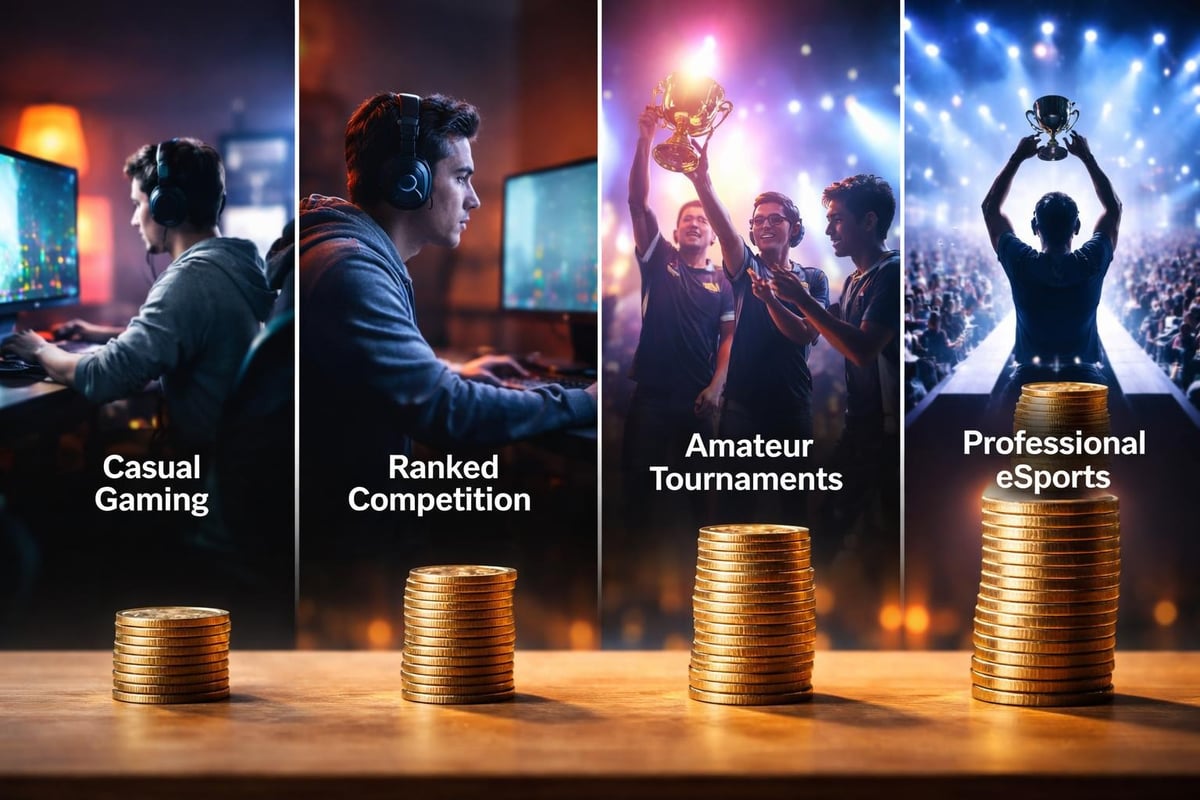
Professional competitive gaming offers the highest earning potential for elite players, with top esports athletes earning millions annually through tournament winnings, team salaries, and endorsements. While reaching professional status requires exceptional skill and dedication, various competitive avenues exist for players at different levels.
Tournament Participation
Esports tournaments range from local community events with modest prize pools to international championships offering life-changing rewards. Games like League of Legends, Dota 2, Counter-Strike 2, Valorant, and Fortnite maintain active competitive scenes with regular tournaments accessible to skilled players.
Breaking into competitive gaming typically follows this progression:
- Master a specific game through dedicated practice (typically 4-8 hours daily)
- Climb ranked ladders to demonstrate skill level
- Join amateur teams or find practice partners
- Participate in online qualifiers and smaller tournaments
- Build a competitive resume that attracts team recruiters or sponsors
The reality is that only a small percentage of players reach professional status. However, semi-professional opportunities exist where players earn supplemental income through local tournaments, coaching services, or competitive streaming.
Regional and Amateur Competitions
You don't need to compete at the highest levels to earn money through competitive gaming. Regional leagues, college esports programs, and amateur tournaments provide accessible entry points. Many players earn consistent income by dominating local competitive scenes rather than pursuing professional careers.
Game Testing and Quality Assurance
Game testing provides a more traditional employment approach to playing games and earning money. Quality assurance (QA) testers play pre-release games to identify bugs, glitches, and gameplay issues, providing essential feedback that helps developers polish their products before launch.
Professional Game Testing
Unlike the glamorous perception, professional game testing involves methodical, repetitive work. Testers must document issues precisely, reproduce bugs consistently, and often play the same sections repeatedly to verify fixes. Various platforms and methods exist for earning through game testing, from full-time studio positions to remote contract work.
Game testing opportunities:
- Studio QA positions: Full-time roles at game development companies with salaries ranging from $30,000-$60,000 annually
- Remote testing platforms: Websites connecting testers with developers for project-based work
- Beta testing programs: Some games offer compensation for participating in beta tests
- Accessibility testing: Specialized testing focusing on inclusive design and usability
Entry-level positions require minimal experience beyond gaming familiarity and attention to detail. However, advancing to senior QA roles or specialized testing positions demands technical knowledge and industry experience.
Freelance Testing Opportunities
Remote game testing platforms allow flexible participation, letting you accept projects that fit your schedule. While hourly rates typically range from $10-$25, experienced testers with specialized skills (like mobile testing or localization) command higher rates. Building a reputation for thorough, reliable testing leads to more consistent project offers.
Mobile Gaming Apps and Casual Earnings
Mobile game applications have created accessible opportunities for casual players to earn modest amounts while playing games. However, understanding the legitimacy and realistic expectations of game apps that claim to pay real money is essential before investing significant time.
Understanding Mobile Game Monetization
Most money-earning mobile games operate through advertising revenue, rewarding players with small amounts for watching ads or reaching gameplay milestones. Others use sweepstakes models where gameplay provides entries for cash prizes. While legitimate apps exist, earnings typically remain minimal-often just a few dollars monthly for regular play.
Common mobile gaming earning models:
- Reward points convertible to gift cards or cash
- Tournament entry systems with prize pools
- Skill-based games with head-to-head wagering
- Survey and offer-completion requirements alongside gameplay
The key is managing expectations. Mobile gaming apps rarely generate substantial income but can provide small supplemental earnings during otherwise idle time. Approach these opportunities as low-effort passive income rather than serious revenue sources.
Legitimate Platforms vs. Scams
Exercise caution when selecting money-earning game apps. Legitimate platforms maintain clear payout terms, positive user reviews, and transparent business models. Red flags include excessive payout thresholds, requests for upfront payments, or promises of unrealistic earnings. Research thoroughly before investing time in any platform.
Creating Gaming Educational Content
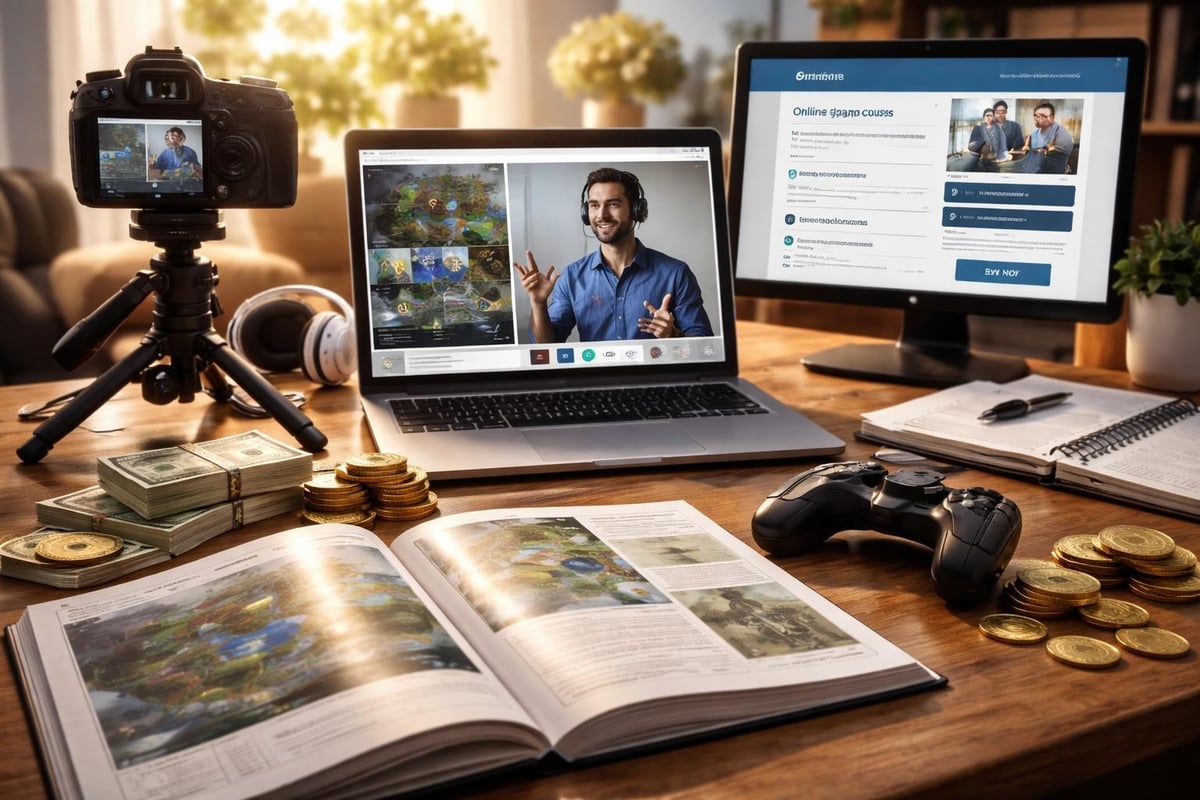
Teaching others about gaming represents an increasingly viable method for playing games and earning money. From creating detailed strategy guides to offering personalized coaching, educational content leverages your expertise while providing value to the gaming community.
Strategy Guides and Tutorials
Games journalism and creating game guides offer opportunities for skilled players with strong communication abilities. Comprehensive guides published on personal websites, gaming platforms, or through digital marketplaces can generate passive income through advertising, affiliate links, or direct sales.
Successful guide creation requires:
- Deep knowledge of specific games or genres
- Ability to explain complex concepts clearly
- Understanding of SEO and content marketing
- Commitment to updating content as games evolve
Writers can earn through multiple channels including Medium's partner program, Patreon subscriptions, or self-publishing on platforms like Amazon Kindle Direct Publishing.
Personalized Coaching Services
One-on-one gaming coaching has emerged as a lucrative niche, with skilled players charging $20-$100 per hour to help others improve. Platforms like Gamer Sensei, Metafy, and Fiverr connect coaches with students seeking personalized instruction in popular competitive games.
Play-to-Earn and Blockchain Gaming
Blockchain-based games have introduced novel economic models where players genuinely own in-game assets with real-world value. While this sector remains volatile and speculative, it represents an emerging frontier for playing games and earning money.
NFT-Based Game Economies
Play-to-earn games reward players with cryptocurrency or NFTs that can be sold on open markets. Games like Axie Infinity demonstrated this model's potential, with some players in developing countries earning meaningful income. However, many such games require initial investments and face sustainability questions about their long-term economic viability.
Considerations for blockchain gaming:
| Advantages | Disadvantages |
|---|---|
| True ownership of digital assets | High volatility and financial risk |
| Potential for significant earnings | Often requires initial investment |
| Emerging market with opportunities | Regulatory uncertainty |
| Global marketplace access | Environmental concerns about blockchain |
Approach blockchain gaming cautiously, investing only what you can afford to lose while understanding the speculative nature of these economies.
Sustainable Web3 Gaming Models
The blockchain gaming industry continues evolving toward more sustainable models that balance player earnings with long-term economic health. Newer games focus on gameplay quality rather than purely extractive earning mechanics, potentially creating more stable income opportunities as the sector matures.
Building Multiple Income Streams
The most successful individuals earning through gaming rarely depend on a single method. Instead, they develop diversified income portfolios that combine complementary revenue sources, creating financial stability and growth potential.
Synergistic Approach Strategies
A competitive player might stream their practice sessions, create tutorial content for YouTube, offer coaching services, and participate in tournaments. Each activity reinforces the others-tournament success builds audience for streams, streaming builds reputation for coaching, coaching deepens expertise for tutorials.
Sample income stack for intermediate gaming earner:
- Primary income: Part-time streaming (3-4 days weekly) – $800-$1,500 monthly
- Secondary income: Tournament winnings (local/online competitions) – $200-$600 monthly
- Tertiary income: Coaching services (5-10 hours monthly) – $300-$500 monthly
- Passive income: Tutorial content and affiliate marketing – $100-$300 monthly
This diversified approach generates $1,400-$2,900 monthly while building skills and audience across multiple platforms.
Time Management and Sustainability
Successfully managing multiple gaming income streams requires disciplined scheduling and realistic goal-setting. Burnout represents a significant risk when your hobby becomes your income source. Establish clear boundaries between work gaming and recreational gaming, maintain physical health through exercise and proper ergonomics, and develop business systems that create efficiency.
Skills Development for Gaming Careers
Transforming gaming into sustainable income requires developing skills beyond gameplay ability. Marketing, community management, content creation, and business fundamentals separate hobbyists from successful gaming entrepreneurs.
Essential Business Skills
Treat your gaming pursuits as a business from the beginning. This means tracking income and expenses, understanding tax obligations, building personal branding, and developing marketing strategies. Even part-time gaming income requires professional approaches to maximize earning potential and minimize legal complications.
Learning resources for gaming entrepreneurs:
- Digital marketing courses: Understanding audience growth and engagement
- Content creation training: Video editing, graphic design, and production quality
- Financial literacy education: Tax planning, budgeting, and investment strategies
- Communication development: Public speaking, writing, and community interaction
These complementary skills often prove more valuable than gaming ability alone, particularly as you scale your gaming income activities.
Continuous Adaptation
The gaming industry evolves rapidly, with new platforms, games, and monetization methods emerging constantly. Successful gaming income requires staying informed about industry trends, experimenting with new platforms, and adapting strategies as the competitive landscape shifts. What works today may become obsolete within months, demanding continuous learning and flexibility.
Setting Realistic Expectations
While playing games and earning money offers genuine opportunities, success requires understanding realistic timelines and effort requirements. Honest assessments of various methods, their earning potential, and the effort required help you make informed decisions about which paths to pursue.
Income Timeline Reality
Most gaming income streams require 6-18 months before generating meaningful revenue. Streaming typically needs 12+ months of consistent effort to build monetizable audiences. Competitive gaming demands years of skill development before tournament winnings become reliable. Game testing offers more immediate payment but limited growth potential without advancing to senior positions.
Realistic first-year expectations by method:
| Method | Time Investment | Realistic First-Year Income | Growth Potential |
|---|---|---|---|
| Streaming/Content | 20-30 hrs/week | $0-$6,000 | High |
| Competitive Gaming | 30-40 hrs/week | $0-$15,000 | Very High (for top performers) |
| Game Testing | 10-40 hrs/week | $5,000-$30,000 | Moderate |
| Mobile Gaming Apps | 5-10 hrs/week | $50-$500 | Very Low |
| Coaching/Education | 10-20 hrs/week | $1,000-$10,000 | Moderate |
These ranges reflect average performers, not outliers who achieve exceptional results or those who fail to gain traction.
Investment Requirements
Most gaming income methods require some initial investment in equipment, software, or education. A competitive streaming setup costs $1,000-$3,000 for quality camera, microphone, lighting, and computer upgrades. Competitive gaming may require coaching, tournament entry fees, or travel expenses. Even mobile gaming apps consume time that could be allocated to higher-earning activities.
Calculate your return on investment carefully, ensuring expenditures align with realistic income expectations. Avoid debt-financed gaming equipment purchases until you've validated earning potential through initial success.
Playing games and earning money has transformed from fantasy into achievable reality for dedicated individuals willing to treat gaming professionally. Success requires strategic planning, skill development, and realistic expectations about timelines and effort. Whether you're pursuing streaming, competitive gaming, content creation, or other gaming income opportunities, Make Extra Money Academy provides the tools, resources, and expert guidance to help you navigate this evolving landscape. Explore our comprehensive guides and strategies designed to turn your gaming passion into profitable reality while building sustainable income streams that align with your goals.